

For anyone needing to purchase packaging or labels, the debate between gravure printing and flexographic printing is a classic one. One is known for its superior quality, while the other is renowned for its exceptional versatility. In this blog, we'll explore the differences between gravure printing vs flexo printing to help you determine which is best suited for your needs.
Table of Contents
I. What Is Gravure Printing?
II. What Is Flexographic Printing?
III. Flexo vs Gravure Printing: Rapid Overview
IV. Gravure Printing vs Flexo Printing: What Are the Differences?
V. Flexo vs Gravure vs Offset Printing: What Are the Differences?
VI. Gravure vs Flexo Printing: Which One Is Right for You?
VII. Frequently Asked Questions About Flexo Printing vs Gravure Printing
I. What Is Gravure Printing?
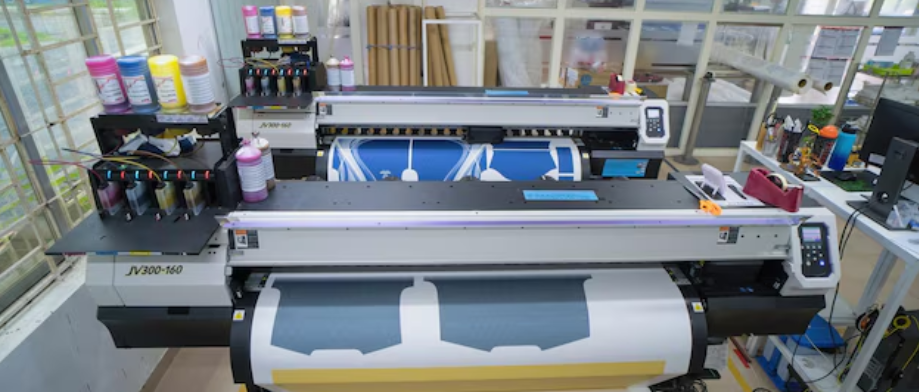
Gravure printing (rotogravure printing) is a precise etching art. Images are etched onto copper-plated steel cylinders using chemical or mechanical methods, creating tiny recesses.
During printing, the entire cylinder is immersed in ink, and a doctor blade scrapes away the excess ink, leaving only the ink in the etched recesses. The cylinder then comes into contact with the substrate, transferring the ink directly onto the substrate.
The rotogravure printing machine is a masterpiece of engineering, designed for continuous high-speed production. This direct gravure printing process is the source of its superior quality.

II. What Is Flexographic Printing?
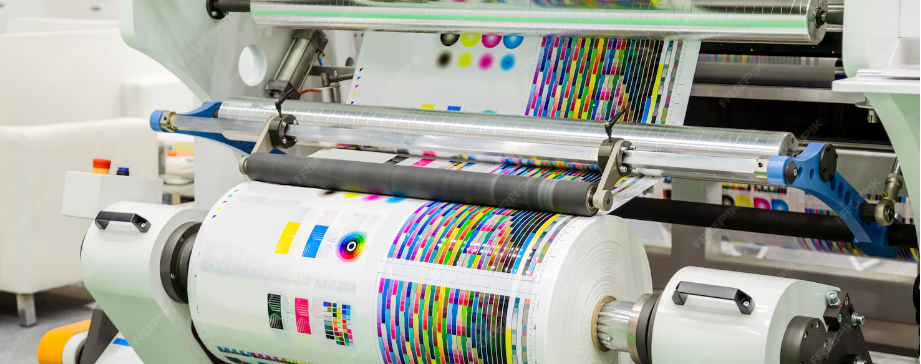
Flexographic printing (flexography) is a modern form of relief printing. It uses flexible photopolymer printing plates mounted on a cylinder.
A precise amount of ink is transferred to the raised areas of the printing plate via an anilox roller (a laser-engraved roller with a precise pattern of cells), and then the plate transfers the ink to the substrate.
Modern flexography has been revolutionized by the application of digital platemaking and high-definition imaging technologies.

III. Flexo vs Gravure Printing: Rapid Overview
The following is a brief overview of the core differences between flexographic printing and gravure printing.
| Feature | Flexographic Printing | Gravure Printing |
| Print Quality | Very High (HD Flexo). Slightly less smooth in extreme gradients. | Exceptional. The benchmark for sharpness, consistency, and smooth vignettes. |
| Best For | Short to medium runs, frequent design changes, diverse substrates. | Extremely long runs (millions), fixed designs, premium visual impact. |
| Setup Cost & Time | Low cost, fast. Photopolymer plates are affordable and made quickly. | Very high cost, slow. Steel cylinder engraving is expensive and time-consuming. |
| Cost-Efficiency | Best for short/medium runs due to low startup cost. | Best for ultra-long runs due to low per-unit cost after high initial investment. |
| Substrate Versatility | Excellent. Handles paper, film, label stock, corrugated board, and more. | Good. Best on smooth, non-absorbent materials like glossy films and papers. |
| Operational Speed | Fast press speeds with very quick job changeovers (often <30 mins). | Extremely high continuous press speeds, but changeovers are slow and costly. |
| Sustainability | Leader. Widely uses water-based and UV inks, minimizing VOC emissions. | Challenging. Traditionally uses solvent inks, requiring significant emission control systems. |
| Design Flexibility | High. Digital workflow allows for easy and affordable design iterations and prototyping. | Very Low. Design changes require new cylinders, making them prohibitively expensive and slow. |
Essentially, the choice between flexo and gravure printing is a classic trade-off between flexibility and superior quality.
Flexographic printing is a flexible, cost-effective, and versatile solution, ideally suited to the modern market's demands for variety and quick turnaround.
Gravure printing is a specialized tool that delivers unparalleled print perfection on a large scale, and its high initial investment can be justified by the project's volume and visual requirements.
IV. Gravure Printing vs Flexo Printing: What Are the Differences?
Choosing between gravure printing and flexographic printing requires weighing five core factors.
1. Print Quality & Consistency
For decades, gravure printing has been the industry standard for high-end printing. The direct etching process enables extremely sharp and consistent dots, perfectly reproducing large areas of smooth gradients—such as the flawless blue sky on cosmetic packaging or the delicate skin tones in photographs in publications. Therefore, the answer to the question, "Is gravure printing high quality?" is an unequivocal "yes."
However, flexographic printing has also made tremendous progress. High-definition (HD) flexographic printing technology can now achieve line counts of 150 lines per inch or even higher, and in most applications, its print quality is very close to that of gravure printing. The only subtle differences between the two are usually only noticeable when comparing extremely long, seamless gradient images side-by-side, where the perfection of gravure printing remains undeniable.
2. Cost Structure & Production Scale
The economic models of these two processes are fundamentally different, primarily due to their initial investment costs.
Gravure printing requires significant upfront investment. Engraving a set of steel printing plates can cost anywhere from $5,000 to $15,000 or even more, and takes several weeks. This makes the technology unsuitable for small print runs or projects requiring frequent design changes.
However, this cost can be spread across a massive production volume. Once in use, a single plate can print millions of times without a decline in quality, resulting in a very low unit cost for print runs of tens of millions.
Flexographic printing, on the other hand, has a much lower barrier to entry. Photopolymer plates cost only a fraction of gravure printing plates, typically 80% to 90% less, and can be produced in a matter of days.
This makes flexographic printing the economical choice for small to medium print runs and projects requiring frequent design changes.
3. Substrate Versatility & Operational Agility
This is a key difference. Gravure printing excels at printing on smooth, non-absorbent materials such as PET film, OPP, and high-gloss paper. It's like a sprinter who is also good at long-distance running. Gravure presses are designed for incredible speed and stability, often exceeding 1000 feet per minute.
In contrast, flexographic printing is the all-rounder of the printing world. Its real strength lies in its adaptability. It can efficiently print on almost any material:
- Absorbent surfaces like corrugated cardboard and paper bags.
- Flexible films and pressure-sensitive labels.
- Delicate materials such as tissue.
While modern flexographic presses are also fast, their greater advantage is flexibility. Job changeovers can often be completed within 30 minutes, enabling just-in-time production and making it an ideal choice for a wide range of print runs.
4. Environmental Sustainability & Compliance
Today, major brands are facing increasing pressure to adopt more environmentally friendly practices, and the choice of printing technology plays a crucial role in this.
Traditional gravure printing relies heavily on solvent-based inks, requiring significant investment in complex volatile organic compound (VOC) capture and incineration systems to meet environmental regulations.
Flexographic printing, on the other hand, is far ahead in this respect. It is the primary application platform for water-based and energy-curing UV/LED inks, which can reduce VOC emissions to less than 5% of those from solvent-based ink systems. This advantage, which aligns with companies' sustainability goals and makes it easier to comply with regulations, is a key factor in many companies' decision-making.
5. Design Lock-in vs. Workflow Flexibility
Your approach to design and product lifecycle management will determine which technology you choose.
Gravure printing is suitable for "set it once, use it for a long time" projects.
It's ideal for projects where the design is finalized and won't need to change for many years, such as iconic candy wrappers or high-end wine labels. Any changes would mean re-engraving the printing cylinders, which is both expensive and time-consuming.
Flexographic printing thrives in the dynamic digital world. The entire workflow, from digital file to printing plate, is streamlined. Design adjustments, version updates, and temporary changes are relatively simple and cost-effective.
It's well-suited for seasonal promotions, limited editions, market testing, and any project where speed to market is a primary goal. If your design requires iteration, or you need to quickly prototype, then flexographic printing is the ideal choice.

V. Flexo vs Gravure vs Offset Printing: What Are the Differences?
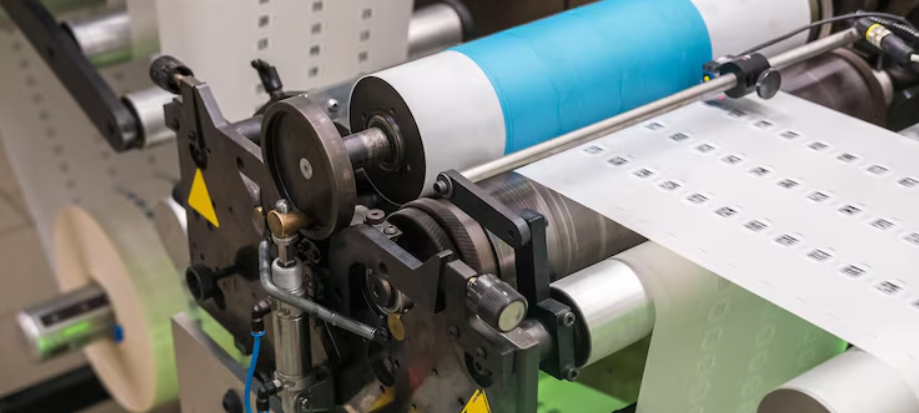
Although this article focuses on flexographic and gravure printing, the commercial printing field also includes a third major process: offset printing. A comparison between flexographic, gravure, and offset printing helps define their respective unique application areas.
Offset printing excels at printing high-volume, high-quality paper products such as books, magazines, and brochures, utilizing a complex system of printing plates and rubber blankets.
In contrast, gravure and flexographic printing dominate the packaging sector. Gravure printing focuses on high-quality, long-run printing on films and paper. Flexographic printing, on the other hand, demonstrates unparalleled versatility across a variety of materials, including films, label paper, and corrugated cardboard.
The choice of printing method depends on your substrate material, print volume, and quality requirements.
VI. Gravure vs Flexo Printing: Which One Is Right for You?
Choose Gravure Printing When:
- Your print run is exceptionally long (e.g., tens of millions of units).
- The design demands flawless, photographic-quality gradients and the finest details.
- The substrate is smooth and consistent (e.g., glossy film).
- The design is final and will not change.
- The budget allows for a high upfront capital investment.
Choose Flexographic Printing When:
- Runs are short to medium, or you require frequent SKU changes.
- You are printing on a variety of substrates, especially absorbent or rough ones.
- Time-to-market, sustainability credentials, and lower financial risk are priorities.
- Your design is subject to iterations, or you need rapid prototyping.
VII. Frequently Asked Questions About Flexo Printing vs Gravure Printing
1. What Are the Disadvantages of Flexo Printing?
Although modern flexographic printing technology has made significant advancements, its traditional limitations include:
- It is generally perceived to have lower image quality (now largely mitigated by HD flexo).
- The inherent dot gain problem requires professional prepress compensation.
- Flexographic plates typically have lower durability in ultra-long print runs compared to gravure cylinders.
2. What Are the Disadvantages of Gravure Printing?
The main drawbacks include: extremely high initial costs and long lead times for roller engraving; poor economic viability for small-batch production; and insufficient flexibility for design changes.
In addition, the environmental compliance requirements of solvent-based ink systems also add to the complexity and cost.
3. Is There a Machine That Combines Flexo and Gravure?
The term "flexo gravure printing machine" is sometimes used informally. It usually refers not to a true hybrid printing press, but rather to a flexographic printing press equipped with a high-precision, gravure-grade anilox roller system to achieve superior ink control.

VIII. Conclusion
The choice between gravure vs flexographic printing ultimately depends on a strategic balance. For unlimited printing where perfection is paramount and cost is not a concern, gravure printing remains the best option. Flexographic printing, on the other hand, offers the adaptability, sustainability, and cost-effectiveness required in today's fast-paced market. By weighing your project's performance across these five key dimensions—quality, cost, versatility, sustainability, and flexibility—you can choose the printing technology that best suits your product and future vision.
Discover More: Blogs You Might Love
- Are Tank Printers Worth It?
- What Is Automatic Document Feeder?
- Green Vertical Line on Monitor? How to Troubleshoot and Fix It
- Portrait vs Landscape Printing: Key Differences and When to Use Each
- Bleed vs No Bleed Printing: Which One Does Your Project Need?
- DeskJet vs InkJet vs LaserJet: What Are the Differences?


